Case Study: NextEra/FPL
Making the invisible technology ecosystem visible
Product Marketing · Positioning & Messaging · GTM · Product Enablement
The Challenge:
The technology is invisible. Its value can't be.
Smart-grid infrastructure operates behind the scenes across meters, data platforms, APIs, applications, and enterprise systems. But its impact shows up everywhere, from customer experiences and billing to outage response, field operations, grid visibility, and energy insights.
The product-marketing challenge was translating that complexity for audiences with very different reasons to care.
An engineer may need to understand how it works. A business stakeholder needs to understand what it enables and why it matters.
The real challenge wasn't explaining more technology. It was making the value of that technology clear.
What does it do? Who is it for? What problem does it solve? Why does it matter?
The Objective:
Move the conversation from capabilities to value
My goal was to bridge the gap between technical capability and business relevance by creating a consistent product narrative across the AMI portfolio.
That meant connecting each product to the people, problems, use cases, and outcomes it served.
The GTM strategy focused on building enterprise awareness, establishing a common AMI narrative, making complex technology tangible, supporting product adoption and GTM readiness, and helping stakeholders communicate what each product does, why it matters, how it creates value, and who benefits.
One portfolio. Multiple audiences. Clear reasons to care.


Connect the portfolio
Use the Smart Neighborhood narrative to show how individual AMI products contribute to a larger smart-grid ecosystem.
Enable the organization
Turn positioning into reusable infographics, awareness pages, executive materials, videos, and training that stakeholders can put to work. Your documented Product Marketing Specialist responsibilities include this type of product-marketing and enablement work.
Validate and learn
Partner with product experts to protect technical accuracy, then use user feedback and NPS insights to identify messaging and adoption barriers.
The PMM system
Positioning → Audience → Use Case → Value → Enablement → Feedback
Technology creates capability. Product marketing creates understanding. My role is to connect the two.
The Solution
Build a product-marketing system, not a collection of communications
Instead of approaching each infographic, video, presentation, or awareness page as a standalone deliverable, I built a repeatable framework for moving from technical capability to audience value.
Position the product
Start with the value, not the architecture.
Segment the story
Preserve one product truth while giving each audience a relevant reason to care.
Translate features into use cases
Show what the technology makes possible rather than simply what it does.
Created on the Heygen AI Platform
Case Study: TikTok
Turning product complexity into customer capability
Product Marketing · Global GTM · Customer Education · Demand Generation · Product Adoption
The Challenge:
How do you educate the market at the speed of the product?
TikTok was evolving quickly. Knowing the platform as a consumer didn't automatically mean knowing how to market on it.
Brands and agencies needed practical answers:
What makes TikTok different? How should creative work here? Which advertising solutions should I use? And what does successful execution look like?
The challenge became larger as the audience expanded across roles, experience levels, disciplines, and global markets. TikTok Academy was intended to create a centralized educational experience while supporting regional education priorities.
How do you build one global learning experience that keeps pace with the product without becoming one-size-fits-all?
The Objective:
The objective wasn't simply to publish more educational content.
It was to help marketers move from:
Knowledge → Understanding → Confidence → Capability
The global launch strategy centered on three actions:
Educate
Make the value of TikTok Academy clear.
Inspire
Show marketers what they could learn and accomplish.
Activate
Give them a reason to invest in becoming more capable TikTok marketers.
Education wasn't the end product. Greater customer capability was.

The Solution
Build education like a product, then take it to market like one
I approached TikTok Academy as more than a curriculum. It had its own audience, value proposition, customer journey, messaging architecture, engagement model, and GTM motion.
My role connected several disciplines:
Centralize the experience
Build a recognizable, always-on learning destination
Design around the learner
Organize platform, product, creative, and advertising knowledge around what marketers needed to do
Create one messaging architecture
Maintain consistent positioning across webinars, email, product education, and partner enablement
Build demand
Use segmented campaigns across HubSpot, Mailchimp, Google Ads, and TikTok lead-generation channels to move audiences from awareness toward enrollment
Scale globally
Create a consistent foundation while supporting regional education needs
Keep learning current
The rollout strategy called for quarterly curriculum updates as the business evolved
The customer journey
Discover → Understand → Register → Learn → Apply
Results
Turning education into measurable engagement
50K+
Agency and brand clients reached through webinars
More than 15 webinars helped extend product education to agency and brand audiences
7,000+
Qualified Leads Generated in Q1
Segmented, multi-channel demand-generation programs generated more than 7,000 qualified leads and exceeded the stated KPI target by 15%
Created on the Heygen AI Platform
Case Study: Agency
Learning to find the story before building the solution
Strategy · Research · New Business · Creative Thinking · Storytelling
The Challenge:
Agency environments rarely present perfectly defined problems
A new-business brief can mean stepping into an unfamiliar industry, learning a new audience, navigating competitive pressure, working against an aggressive deadline, and bringing together multiple disciplines, often while information is still arriving.
I learned to operate comfortably inside that ambiguity.
Agency assignments may begin with a defined ask: respond to an RFP, solve a brand problem, develop a strategy, or build a compelling pitch.
But the brief doesn't always contain the real problem.
Clients arrive with business objectives, audience assumptions, competitive pressures, existing brand perceptions, and large amounts of information. Agency teams bring another layer of perspectives across strategy, research, creative, media, account leadership, production, and operations.
The job is to get underneath that complexity and determine:
What is the audience telling us?
What is changing in the market?
Where is the competitive opening?
What problem are we actually solving?
What can the brand credibly contribute?
And how do we turn that insight into something people can understand, believe, or experience
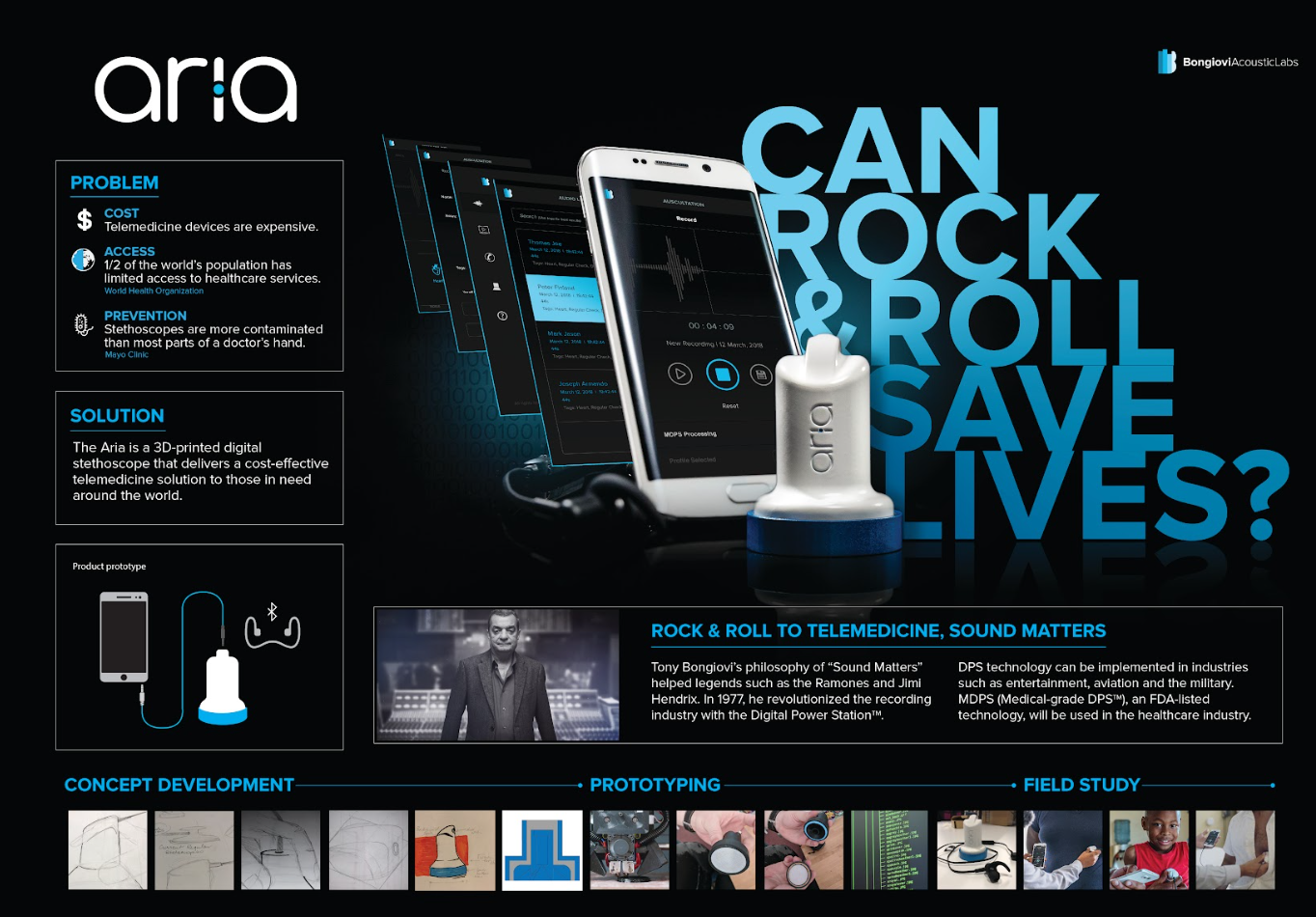
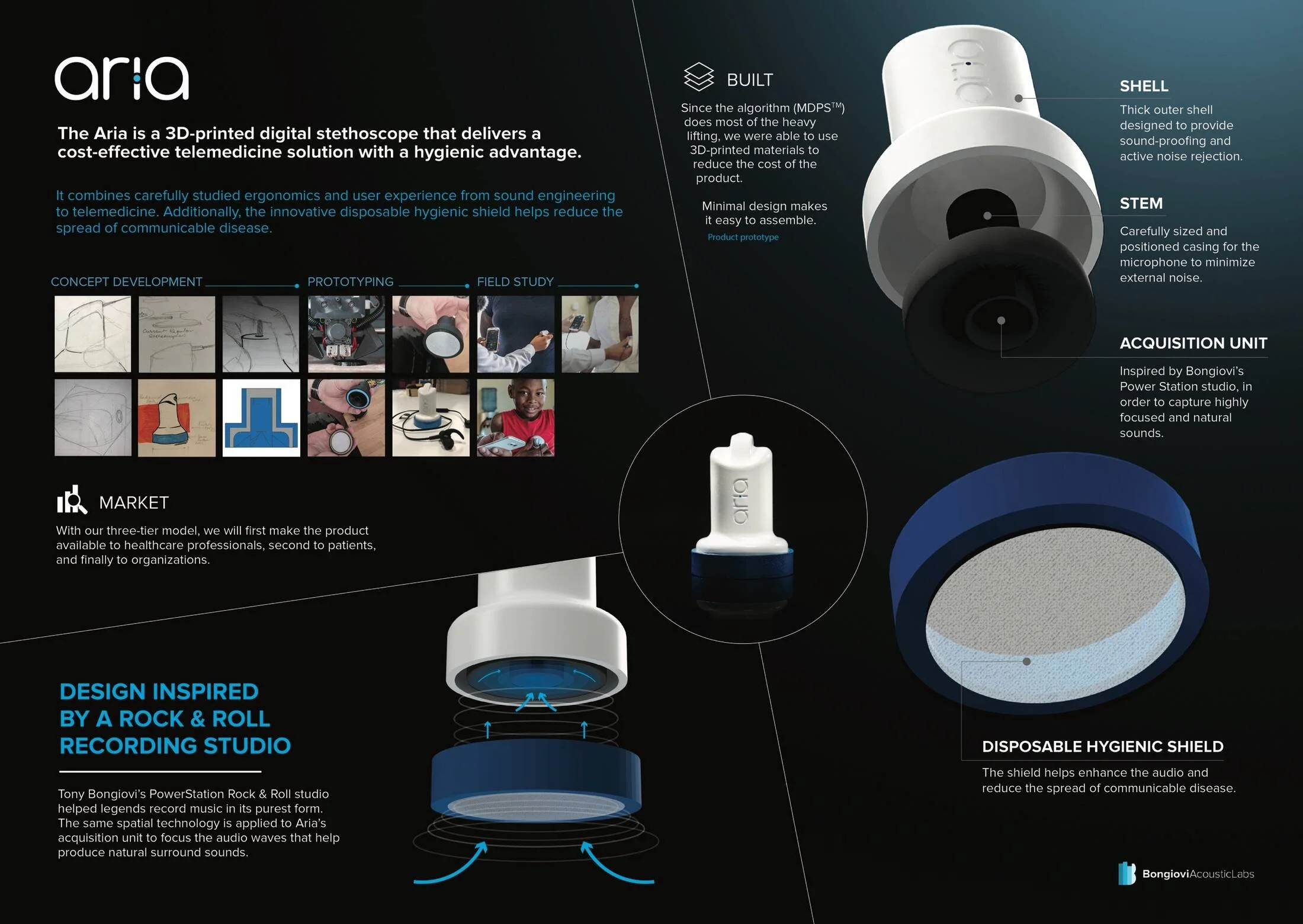
Bongiovi Acoustic Labs made that challenge tangible.
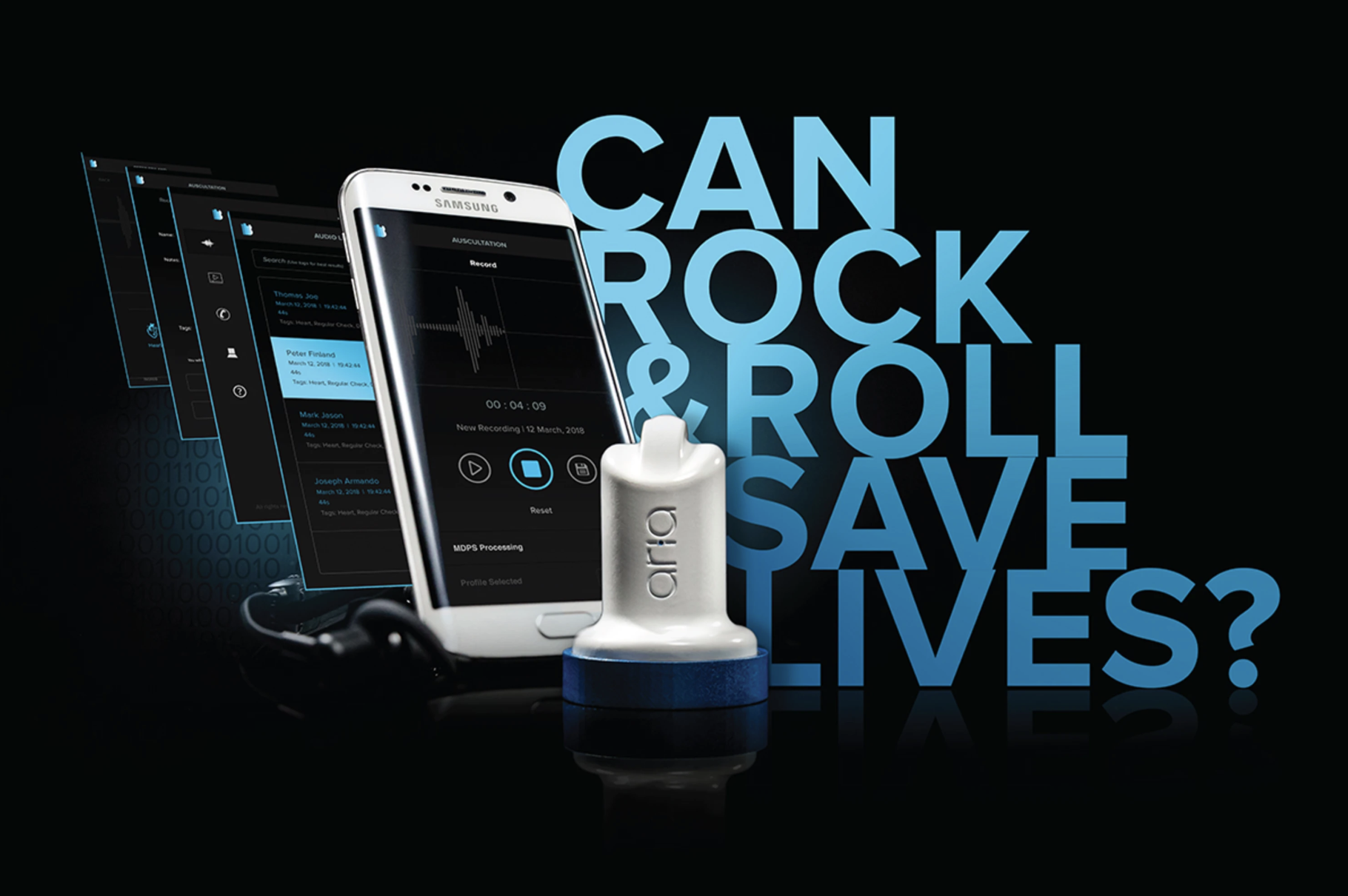
The assignment wasn't simply to tell people about a digital stethoscope. The more interesting strategic question was how Bongiovi's expertise in audio could be translated into a credible healthcare story centered on accessibility.
That became the fundamental agency challenge:
How do you look beyond the assignment, identify the problem worth solving, and choose the right combination of tools to bring the answer to life?
The Objective:
Turn ambiguity into a clear, actionable idea
Once the problem is framed correctly, the objective becomes more than producing a campaign, presentation, film, or piece of content.
The goal is to find the idea that connects the business opportunity, the audience need, and the brand's ability to credibly respond.
For Aria, that meant moving the conversation beyond the technology itself. Bongiovi had an audio innovation. But the more compelling story was what that technology might make possible when applied to healthcare. So rather than leading with algorithms, sound engineering, or product specifications, the opportunity was to build the story around a human problem:
Could innovation in sound help make remote healthcare more accessible?
That shift established a much clearer objective:
Understand the problem deeply enough to find the human value inside the technology, then create an experience that could make that value tangible.
The desired progression became:
Technology → Human Need → Strategic Opportunity → Idea → Experience
This is where the agency experience became foundational to my broader marketing approach. It taught me that the output shouldn't determine the strategy.
The problem should determine the tool.
The Solution:
Build the answer with whatever tools the problem requires
Aria is one of the clearest examples of what I mean by One Marketer. Multiple Tools.
The solution wasn't one deliverable or one discipline. It required moving across research, positioning, production, interviews, logistics, field execution, and storytelling, with each discipline solving a different part of the same strategic problem.
Start with the problem, not the deliverable.
Before deciding how to tell the story, I needed to understand what made the story worth telling.
The product could have been positioned around audio technology alone. Instead, the stronger strategic territory was the intersection between audio innovation and access to healthcare.
Translate the technology into human value
The positioning needed to connect three elements:
Bongiovi's audio expertise
A healthcare-access problem
new potential use for sound
Rather than asking an audience to become interested in the technology first, we could begin with why the technology mattered.
Don't just communicate the proposition. Make it tangible.
A film shot entirely in a controlled environment could demonstrate the device. But the Aria story called for something more grounded.
I helped spearhead a skeleton film crew traveling to Haiti to document the product story in the context of its intended use.
That changed my role considerably. I wasn't operating exclusively as a strategist or marketer. I was also managing:
Production travel
Locations
Medical-expert interviews
Field logistics
Story considerations
A lean production environment
The connection between the strategic proposition and what we actually needed to capture
This is where the Swiss Army knife metaphor becomes literal to the way I work. When the problem changed, I changed tools.
Credibility matters when marketing enters a complex category
Healthcare required a different level of responsibility than simply making an interesting brand claim.
Medical experts could provide context that marketing language couldn't. So, I helped manage those interviews around the larger story:
What is the access problem?
What happens when specialist care is difficult to reach?
Where could remote technology potentially help?
What makes useful diagnostic information important?
The role required me to be both producer and translator: understand the strategic idea well enough to ask useful questions, while allowing subject-matter expertise to carry the healthcare context. The Aria project reinforced something I learned throughout agency life: Research, strategy, creative, production, and storytelling are not separate worlds. They are different stages of solving the same problem.
The Aria received Cannes Innovation and Product finalist, and was a Clio Silver recipient